Are Aluminium Doors Better Than UPVC?
Choosing the right door material is an important decision for both residential and commercial buildings. Homeowners often compare Aluminium Doors and uPVC doors because they represent two of the most common options on the market. Each material has its own benefits, but aluminium has increasingly become the preferred choice for modern architecture due to its durability, design flexibility, and long-term value. With technological improvements and premium manufacturing processes, high-end systems such as Simbor’s aluminium doors provide performance that aligns with today’s expectations for energy efficiency, stability, and aesthetic appeal.
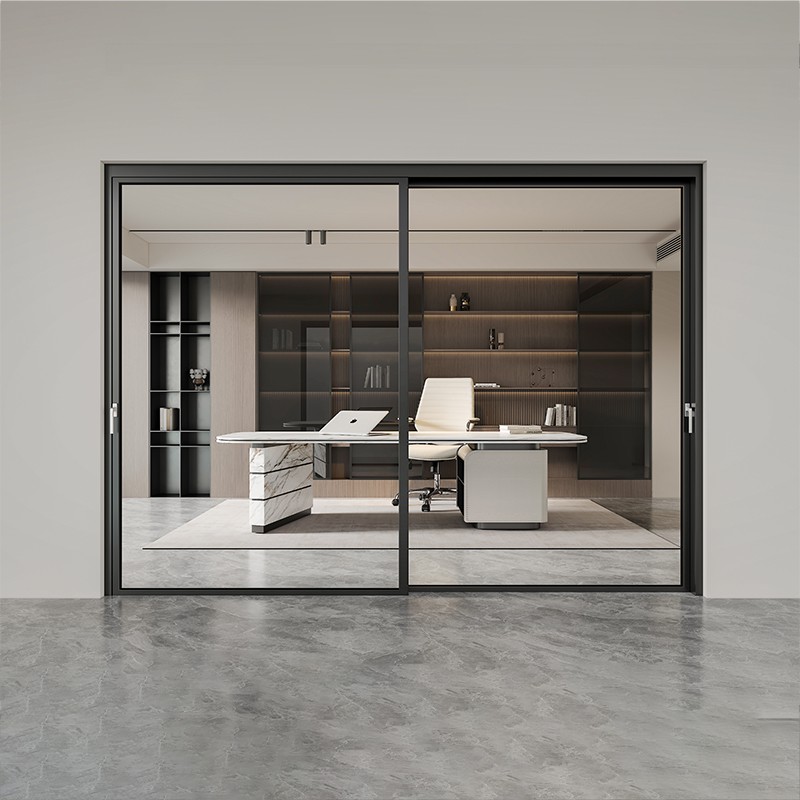
Understanding the Differences Between Aluminium and uPVC
Aluminium and uPVC differ significantly in structure, strength, manufacturing process, and performance. Aluminium is a metal known for its rigidity, lightweight nature, and ability to support large glass panels without warping. uPVC, on the other hand, is a plastic polymer designed to offer basic insulation and low maintenance. While uPVC can perform well in standard situations, aluminium stands out when buildings require larger openings, slim frames, improved security, or a more refined visual appearance. Because aluminium doors use metal reinforcements and precision extrusion, they offer a structural advantage that plastic-based materials cannot match.
The biggest distinction lies in strength. Aluminium frames maintain integrity even under temperature changes, whereas uPVC can expand and contract more noticeably. This difference becomes important in regions with strong sunlight or climate variations. Over time, aluminium retains its alignment better, keeping the door system functioning smoothly without bending or twisting. This contributes to longer lifespan and fewer repairs.
Advantages of Choosing Aluminium Doors
Aluminium doors offer multiple performance benefits that make them a superior option for many building types. Their advantages extend beyond appearance and contribute to a more reliable long-term investment.
Exceptional Structural Strength
Aluminium is naturally rigid, allowing it to support high glass-to-frame ratios. This enables large sliding doors, tall hinged doors, or wide openings that remain stable for years. uPVC systems often require internal reinforcement and still cannot match this level of structural performance.
Slimmer Frames and Modern Aesthetics
One of aluminium’s greatest strengths is the ability to create thinner profiles without compromising stability. Slim frames let in more natural light and create sleek architectural lines. This modern appearance has become popular in luxury homes and commercial buildings.
Long-Term Durability
Aluminium resists corrosion, UV exposure, moisture, and general wear. Unlike uPVC, it does not discolor or become brittle over time. Powder-coated finishes available in Simbor’s systems make the surface even more resistant to environmental factors.
Design Flexibility
Aluminium can be shaped, anodized, and colored in many ways. Homeowners can select matte, glossy, textured, or metallic finishes, ensuring the door matches the building’s overall style. uPVC offers far fewer design possibilities.
Energy Efficiency with Thermal Break Technology
Older aluminium doors were not as thermally efficient, but modern systems use insulated profiles and thermal barriers to achieve excellent energy performance. Simbor integrates advanced insulation technologies that significantly improve heat retention and reduce energy consumption.
Higher Security
Because aluminium is stronger than plastic, it naturally creates a more secure door system. Combined with reinforced locking mechanisms, aluminium doors offer enhanced protection for homes and businesses.
These advantages demonstrate that aluminium doors deliver a higher standard of performance, especially in demanding architectural environments.
When Aluminium Doors Are the Better Choice
Different spaces require different functional qualities from their door systems. Aluminium becomes the preferred option in several scenarios where uPVC may not perform adequately.
Large openings require strong support, which aluminium easily provides without sagging.
Contemporary designs benefit from slim frames and cleaner lines that create a minimalist look.
High-traffic areas need a material that resists repeated use without loosening or bending.
Regions with extreme temperatures benefit from aluminium’s stability, as it does not distort easily under heat or cold.
Projects requiring customization rely on aluminium’s ability to be shaped, colored, and sized in numerous ways.
In premium residential developments, offices, villas, and commercial spaces, aluminium doors are commonly selected for their combination of appearance and performance. Simbor’s systems are produced with refined craftsmanship to ensure smooth operation and long-term reliability, even in challenging environments.
Customization Possibilities with Aluminium Doors
Aluminium offers far more customization options compared to uPVC. Because it is a metal with excellent workability, it supports advanced design solutions that make each door system unique.
Structural Customization
Aluminium can be extruded into complex profiles, allowing flexibility in door height, width, and thickness. This is especially beneficial for extra-wide sliding doors and tall pivot doors.
Finishing Options
A wide color palette is available through powder coating, anodizing, or textured finishes. Users can match the frames with interior and exterior décor or choose specialized finishes that resist scratches and fading.
Glazing Choices
Different glass thicknesses and insulation levels can be selected based on climate and acoustic requirements. Aluminium frames easily accommodate double-glazed, triple-glazed, or laminated configurations.
Hardware and Accessories
From concealed hinges to premium handles, aluminium systems allow integration with a wide range of hardware. These enhancements improve both performance and visual appeal.
Application Tailoring
Doors can be designed for balconies, patio entrances, office partitions, or main entry systems. Simbor offers configurations for sliding, folding, casement, swing, and lift-and-slide mechanisms.
This level of flexibility ensures that aluminium doors can meet the needs of modern architecture while maintaining high quality across all categories.
Conclusion
Whether aluminium doors are better than uPVC depends on the performance requirements of the building. For homeowners seeking durability, modern aesthetics, stability, and long-term value, aluminium clearly stands out as the superior choice. Its structural strength, design versatility, and enhanced security make it suitable for both residential and commercial environments. Systems such as Simbor’s premium aluminium doors demonstrate how advanced manufacturing and thoughtful engineering can elevate door performance and visual appeal. With greater flexibility in customization, superior resistance to environmental changes, and overall stronger construction, aluminium doors represent a long-lasting investment for any building project.