Are Aluminium Windows Better Than uPVC?
Choosing between Aluminium Windows and uPVC windows is one of the most common decisions homeowners and builders face when designing or upgrading a property. Both materials are widely used, but they differ significantly in performance, appearance, and long-term durability. In modern architectural projects—especially those emphasizing large glass areas, clean lines, and long-term structural stability—aluminium windows have become increasingly preferred. High-performance systems like Simbor’s advanced aluminium windows combine strength, design flexibility, and refined craftsmanship, making them ideal for contemporary homes and commercial environments. Understanding how these two materials compare provides clarity in determining which window system is the better investment.
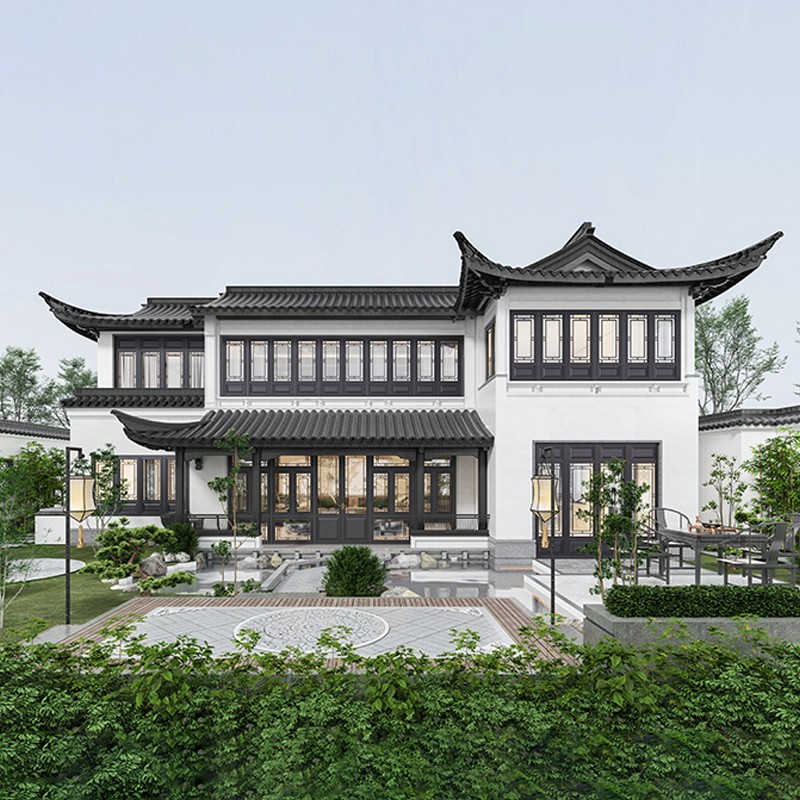
Understanding the Key Differences Between Aluminium and uPVC
Aluminium is a lightweight metal known for its rigidity and ability to maintain shape even under stress. uPVC is a plastic composite designed to provide basic insulation and affordability. The contrast between these materials begins with structural behavior. Aluminium withstands temperature variations without significant expansion or contraction, preserving window alignment and ensuring smooth operation over time. uPVC tends to react more noticeably to climate shifts, potentially affecting sealing and frame geometry as the years pass.
The visual differences are also important. Aluminium windows offer slimmer profiles that support larger panes of glass, giving rooms a brighter, more open appearance. By comparison, uPVC windows require thicker frames for stability, which reduces glass area. For properties focused on aesthetics, views, and natural light, aluminium provides a clear advantage.
These functional and visual differences already set aluminium apart as a modern window solution that meets higher architectural standards. When examined in more detail, the benefits become even more distinct.
The Advantages of Aluminium Windows
Aluminium window systems offer performance features that extend far beyond appearance. Their benefits are practical, long-lasting, and suited for a wide range of building conditions.
Structural Stability
Aluminium’s natural strength allows it to remain stable over decades of use. The rigidity of the metal supports larger openings without risk of warping or bending. This is especially important for sliding, casement, and tilt-and-turn mechanisms in tall or wide window configurations.
Slim Profiles With Larger Glass Areas
Modern architecture prioritizes minimal lines and expansive views. Aluminium frames achieve these effects with narrow sightlines that maximize light intake. Rooms look brighter and more spacious, enhancing both comfort and design appeal.
Long-Term Durability
Aluminium does not rot, corrode, or discolor. Powder-coated finishes ensure strong resistance against UV exposure, moisture, and environmental factors. This results in windows that remain in excellent condition for many years with minimal maintenance.
Improved Energy Efficiency
Earlier generations of aluminium windows were less efficient, but technological improvements now allow high-performance thermal breaks and multi-layer sealing systems. Simbor’s aluminium window designs incorporate insulated profiles that reduce heat transfer, improving comfort and lowering energy costs.
Design Flexibility
Aluminium supports a wide range of shapes, finishes, colors, and configurations. It can be formed into custom angles, oversized sections, and complex geometric designs. uPVC offers far fewer possibilities, especially in unusual dimensions.
Higher Security
Because aluminium is stronger than plastic, it forms a more secure structural foundation. This enhances safety when combined with reinforced locking systems and laminated glass options.
These advantages align aluminium windows with the expectations of premium construction, offering performance that plastic-based alternatives cannot match.
When Aluminium Windows Are the Better Choice
Aluminium windows outperform uPVC in multiple situations where structural integrity, aesthetics, or customization are important.
Homes with large windows or panoramic designs benefit from aluminium’s ability to support wide glass panels without distortion.
Modern architectural styles use minimalistic profiles, which aluminium provides effortlessly.
Buildings located in areas with strong sunlight or temperature changes require window systems that do not warp or fade.
Commercial properties need durable materials capable of withstanding high-traffic and long-term usage.
Projects requiring personalized colors and finishes rely on aluminium’s wide coating and surface treatment options.
Energy-conscious environments take advantage of advanced insulated Aluminium Profiles that reduce energy consumption.
These scenarios illustrate why aluminium has become the preferred choice for both premium homes and commercial developments. Simbor’s window systems are engineered to excel in such environments by delivering consistency, strength, and smooth functionality.
Customization Possibilities With Aluminium Windows
Aluminium provides extensive customization options that allow homeowners and designers to tailor window systems exactly to their needs. Simbor’s manufacturing capabilities support a wide variety of design preferences and technical requirements.
Dimensional Flexibility
Aluminium frames can be produced in large or irregular sizes while retaining structural integrity. This enables expansive window walls, oversized casement windows, and sliding systems with wide panels.
Finish Options
Powder-coated finishes provide a large selection of colors, including matte, satin, metallic, and textured surfaces. Options for dual-color frames allow different interior and exterior appearances.
Glazing Compatibility
Frames can accommodate single, double, or triple glazing, depending on thermal or acoustic needs. Aluminium supports thick, laminated, or reflective glass without issue.
Hardware Integration
High-quality handles, concealed hinges, and premium locking systems fit seamlessly into aluminium designs. The result is a refined appearance with enhanced performance.
Application Variety
Aluminium frames can be used for fixed windows, sliding windows, casement windows, tilt-and-turn windows, and even curtain-wall-style installations. This versatility allows full consistency across an entire building.
These customization features make aluminium a superior choice for homeowners who want both function and design flexibility.
Summary
Aluminium windows hold clear advantages over uPVC in terms of strength, durability, aesthetics, and architectural adaptability. While uPVC windows may provide an affordable solution for standard residential needs, aluminium windows offer long-term value and enhanced performance that align with modern design expectations.
With slim frames, exceptional rigidity, customizable finishes, and advanced insulation options, systems like Simbor’s aluminium windows set a high standard for window engineering. For homeowners and builders seeking reliability and style, aluminium windows provide a superior solution that supports both practical and aesthetic demands over many years of use.